Data Center•30.10.2026, 12:38•PC Gamer
Intel transfère ses capacités Panther Lake vers les puces de centres de données tandis que la crise de la mémoire frappe le marché du PC ; les puces économiques Wildcat Lake sont en rupture de stock
AI Summary
Intel réaffecte ses capacités de fabrication 18A des processeurs grand public Panther Lake aux puces pour centres de données en raison de la faiblesse du marché du PC et d'une grave crise d'approvisionnement en mémoire. Malgré ces défis, la série économique Wildcat Lake reste en rupture de stock, soulignant la forte demande des consommateurs pour du matériel abordable.
📄 Afficher le texte complet dans la langue originale (EN)
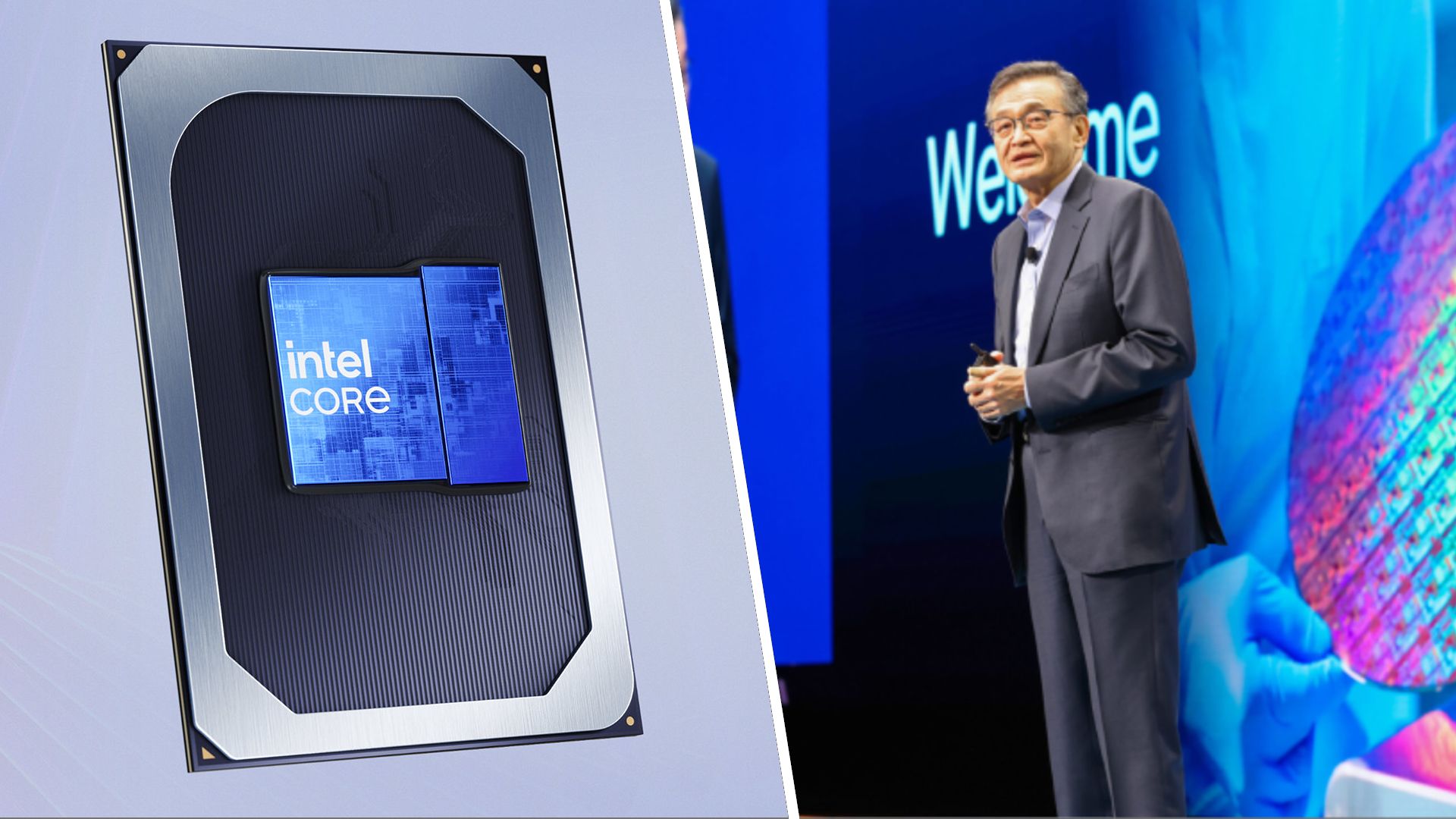
The memory crisis is biting hard and prices are still worsening for memory and storage, which means Intel is having a tougher time selling computer chips to the likes of you and me. CEO Tan said in the company's latest earnings call that "the next few quarters will be challenging for the PC market." So, rather than sit on Panther Lake chips it can't sell, the company says it's looking to shift some of that 18A capacity to data center chips instead.
Answering a question about whether the company would be reallocating wafers to data center chips in Intel's earnings call (via Seeking Alpha ), CFO David Zinsner replied: "The answer is yes. What we're taking offline to put Intel 3 into Oregon is 18A wafers, which we're generally going to build Panther Lake products. So we see the opportunity with some of that capacity freed up to go produce more data center wafers."
There are two consumer chip families on the 18A node right now: Panther Lake and Wildcat Lake. For corporate customers, it's Clearwater Forest.
While Panther Lake has just successfully ramped onto 18A, it's the more recent budget offerings of Wildcat Lake that are reportedly selling strongest.
"While the next few quarters will be challenging for the PC market, our roadmap continues to strengthen and our long-term outlook remains positive," Intel CEO Lip-Bu Tan said. "We have successfully ramped Panther Lake on Intel 18A and demand for the Wildcat Lake is outstripping supply."
Zinsner later says something similar: "Wildcat Lake, our cost-optimized Intel 18A client CPU increased units by approximately 70% sequentially and is sold out."
So, the people want cheap chips. No surprises there. Zinsner is keen to point out that supply shortages are not just about where the wafers go in Intel's fabs, as the company is "also constrained on the substrate side."
Intel suggests that 2027 may not be pretty either. The internal CCPG group that covers gaming chips is said to likely decline "greater than 20% sequentially", due to companies reducing inventories and orders for the new year.
That tracks with many of the warnings we've heard from research firms and companies close to memory supply: we may still be suffering throughout 2027, possibly until 2030. This crisis catches up with everyone eventually: customers feel it at the checkout, so they buy less stuff, which leads retailers to put in fewer orders, as do suppliers, finally landing at Intel's door before continuing onwards to its downstream suppliers.
Intel's share price is down 23% in after-hours trading.