Gaming News•29.10.2026, 09:14•GamesRadar+
Разработчик RPG заявил, что AAA-издатели злоупотребляют ранним доступом
AI Summary
Денис Дьяк из Apocalypse Studios утверждает, что AAA-издатели злоупотребляют программами раннего доступа, выпуская отполированные игры, что искажает ожидания игроков и вредит независимым разработчикам. Он считает, что такая практика заставляет небольшие студии соответствовать завышенным стандартам.
📄 Показать полный текст на языке оригинала (EN)
Denis Dyack – founder of Silicon Knights and current CEO of Apocalypse Studios – says that AAA publishers' use of Early Access is shifting player expectations and making it harder for independent teams.
Speaking to GamesIndustry.biz , Dyack says that one of the big challenges of the current gaming landscape is that anyone, even "giant publishers with insane amounts of money, manpower, and resources," are able to use Early Access programs. Specifically, he cites developers releasing a "polished product" and using the Early Access standing as "a marketing beat," the problem being that the quality of these titles, in turn, will lead gamers "expecting a near-perfect game," which Dyack asserts "defeats the purpose of Early Access, which is a collaborative development process based on player feedback."
"AAA publishers are abusing Early Access, skewing player expectations in such a way that it heavily disadvantages smaller independent developers," Dyack continues, citing Subnautica 2 and Path of Exile as examples of titles that used the program "drastically changing the landscape and players' expectations." With Apocalypse Studios' Deadhaus Sonata, he says the team hit "significant barriers to entry" which in turn "significantly reduced" their market impact.
Ethan McKinnon – creative director at Apocalypse Studios – adds "Players naturally compare everything in the same marketplace, so smaller teams are being held to a much higher standard than they were in the past." He advises potential developers to "treat Early Access like a real launch, because players do."
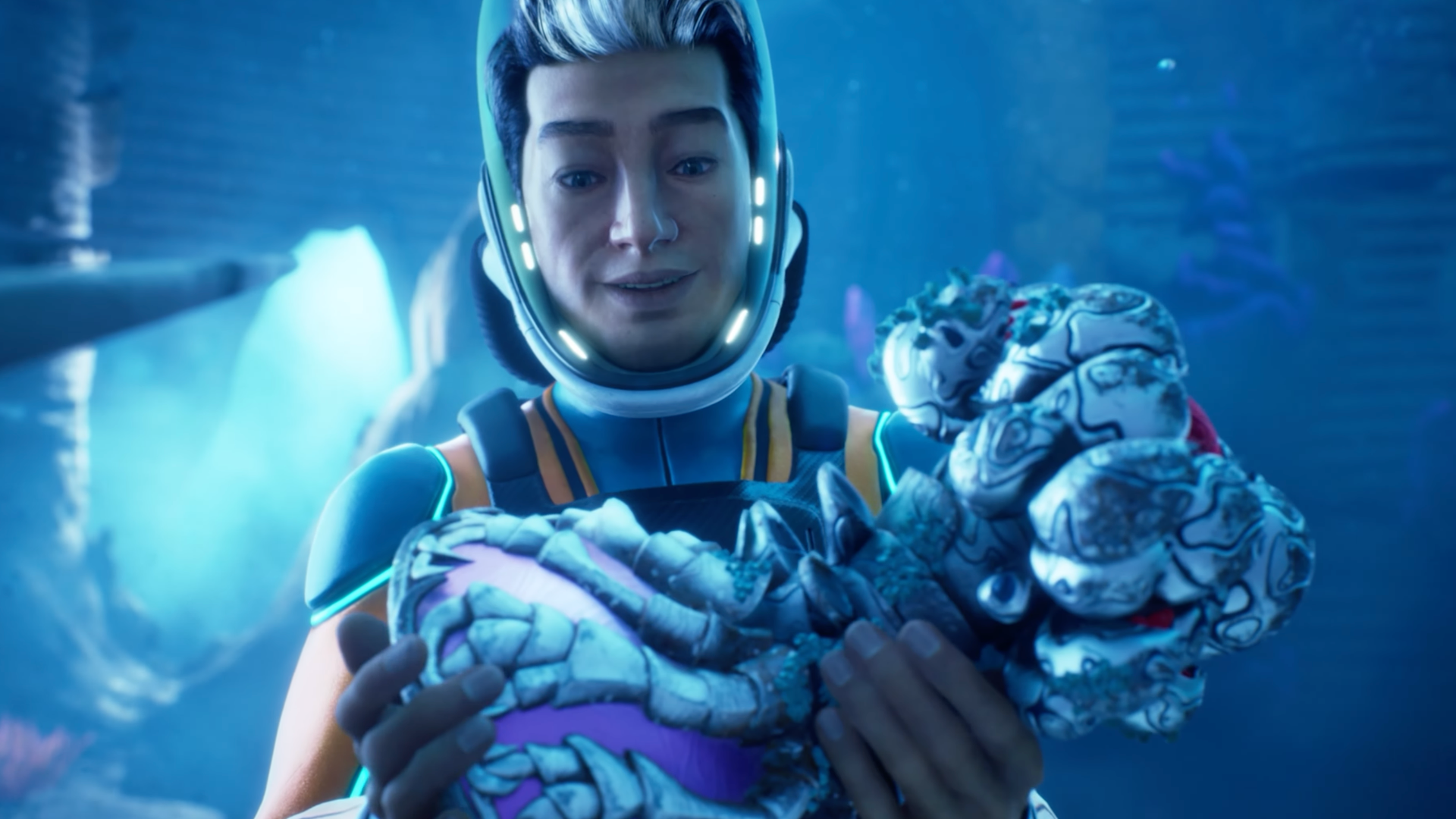
Anthony Gallegos, creative director of Subnautica 2 said there was "no decision to make," when it came to launching the sequel in Early Access like its predecessor. "Participating in Early Access means we can still pivot and change the game in meaningful ways that simply launching a complete experience and hoping we got it right wouldn't allow," Gallegos says, calling Early Access "core to our DNA now."
Dyack adds that Early Access allows developers to bypass "risk-averse, paint-by-numbers design" and it "was intended to give the studio the runway to experiment with unconventional, systemic concepts that traditional publishers would reject." Deadhaus Sonata launched with performance issues, with Dyack calling the launch "demoralising," however, negative reactions have "been motivation enough to really rebuild the game from the ground up."
If you're someone who did partake in Subnautica 2's Early Access launch, check out our guides on how to get the Bioscanner in Subnautica 2 or how to craft Subnautica 2 ingots if you need some help.